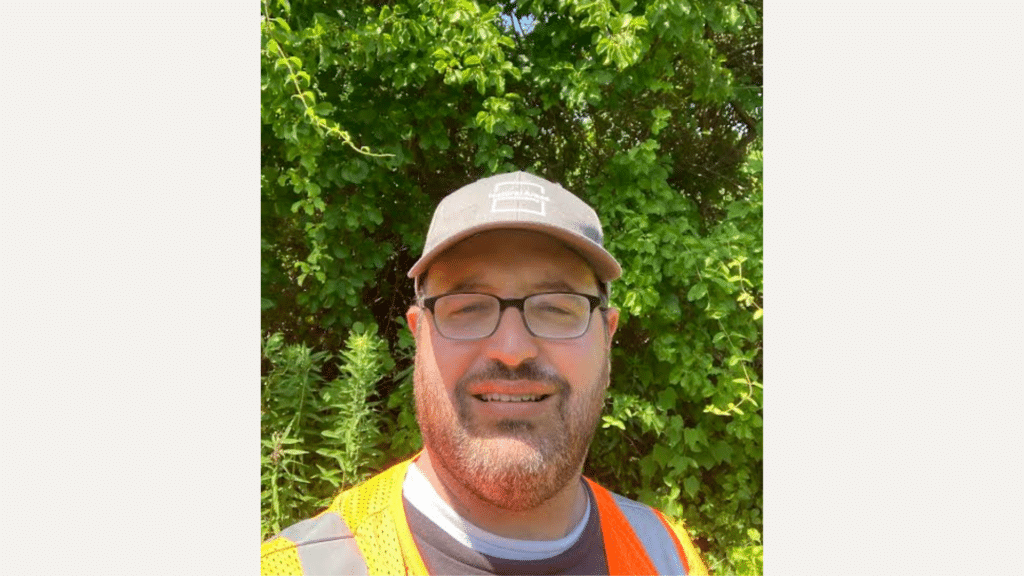
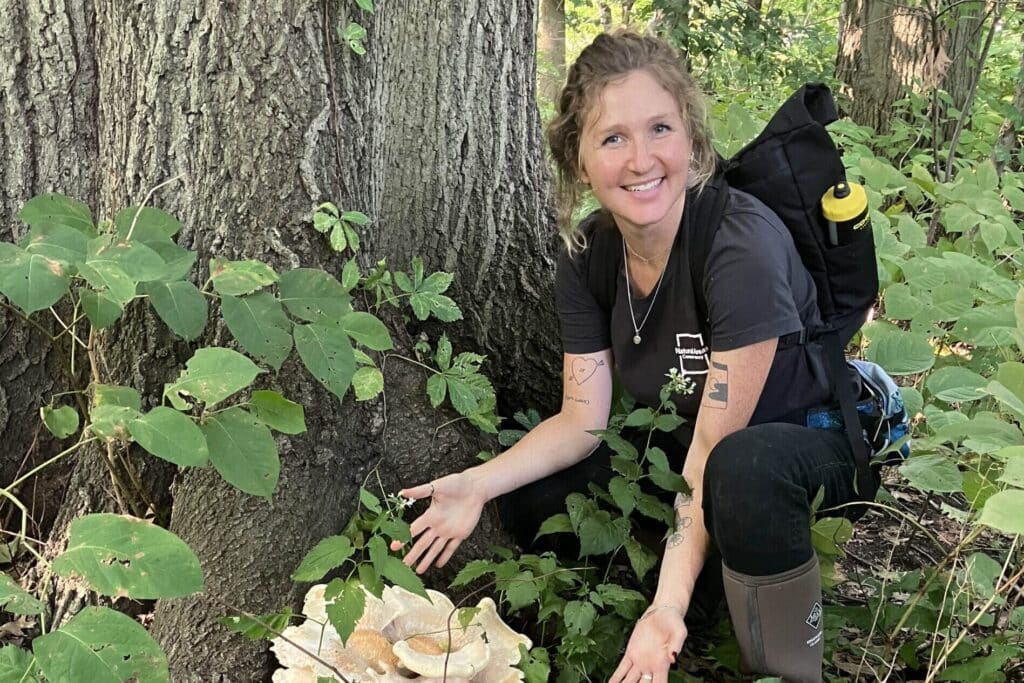
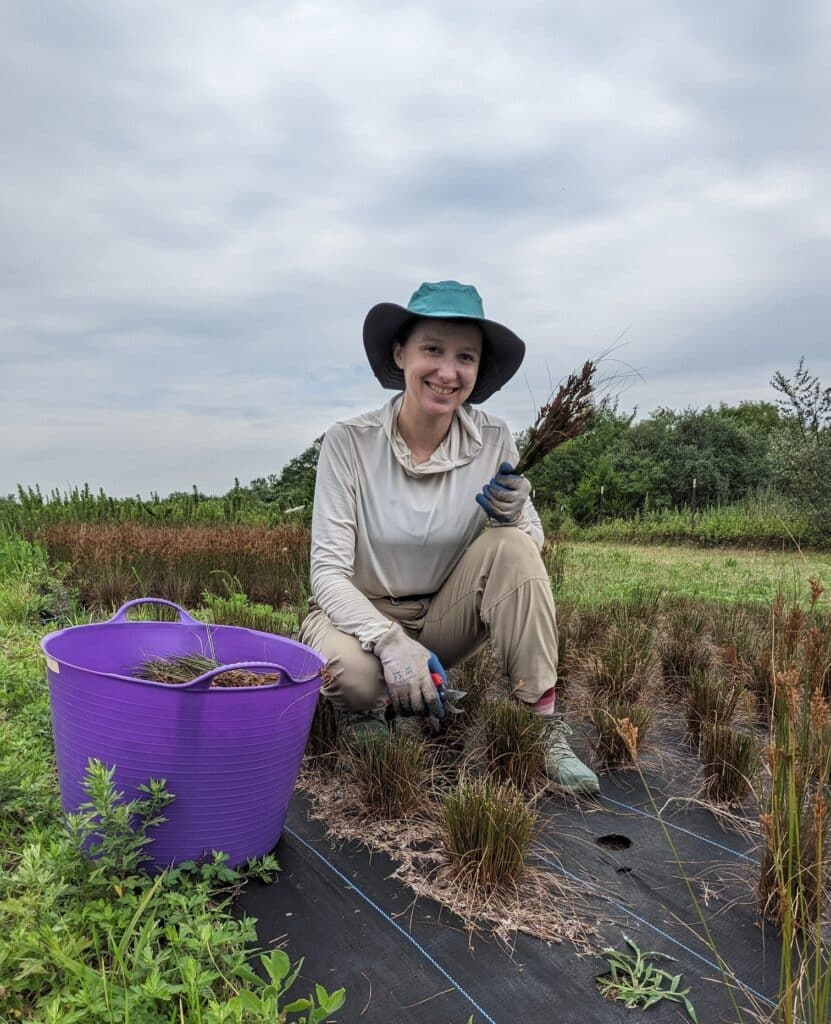
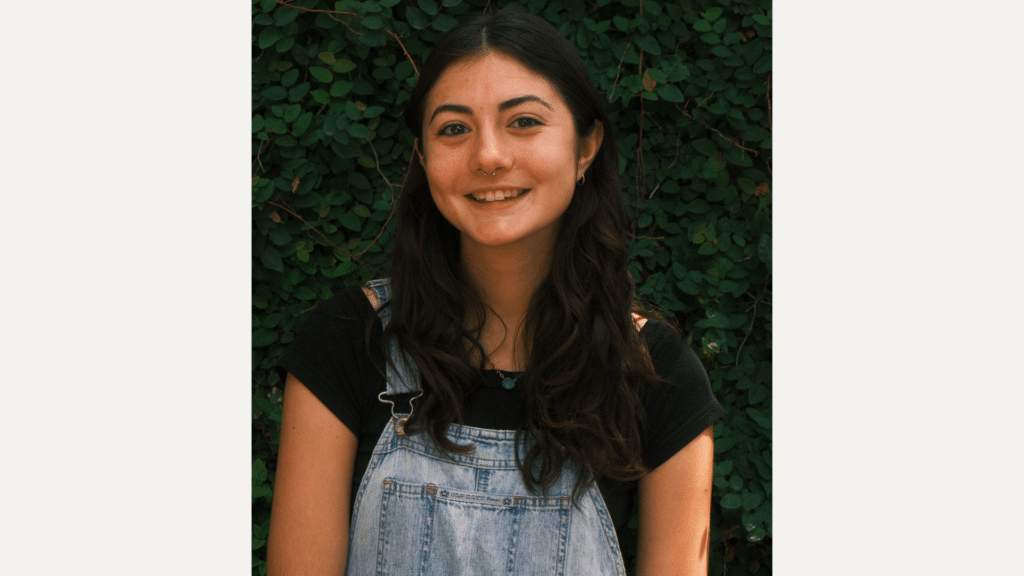
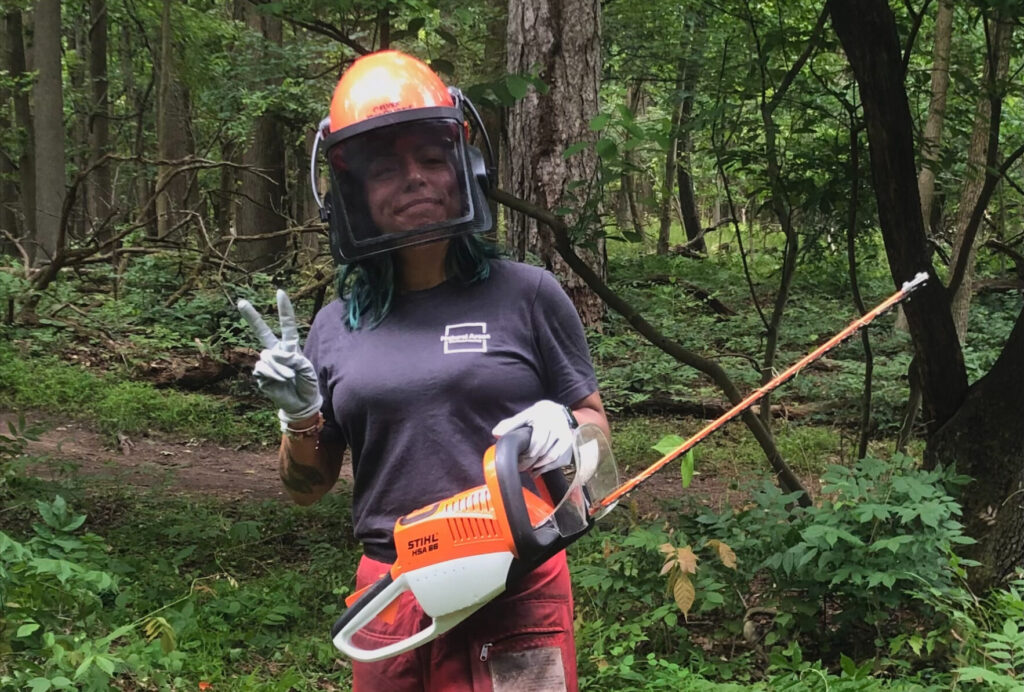
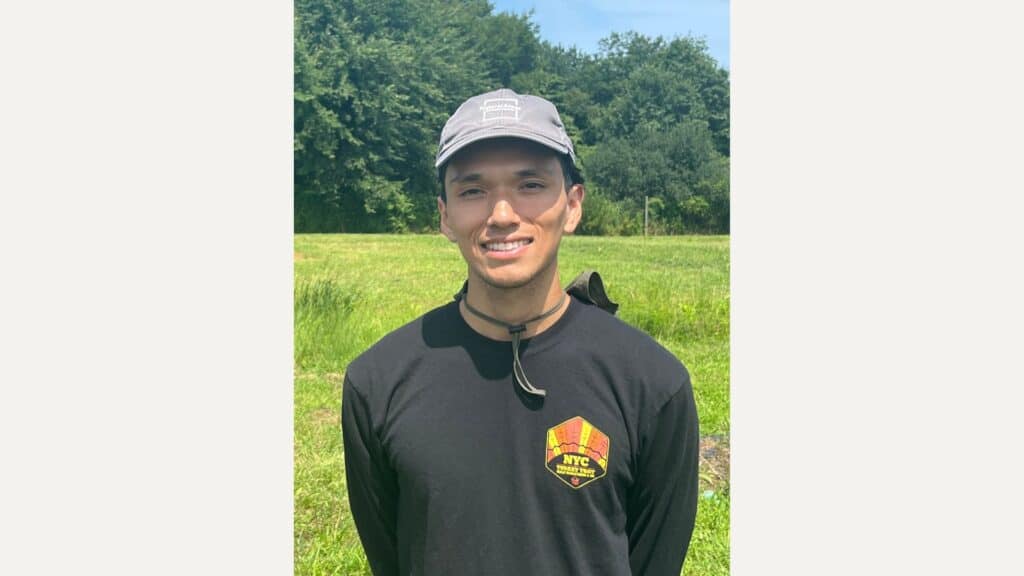
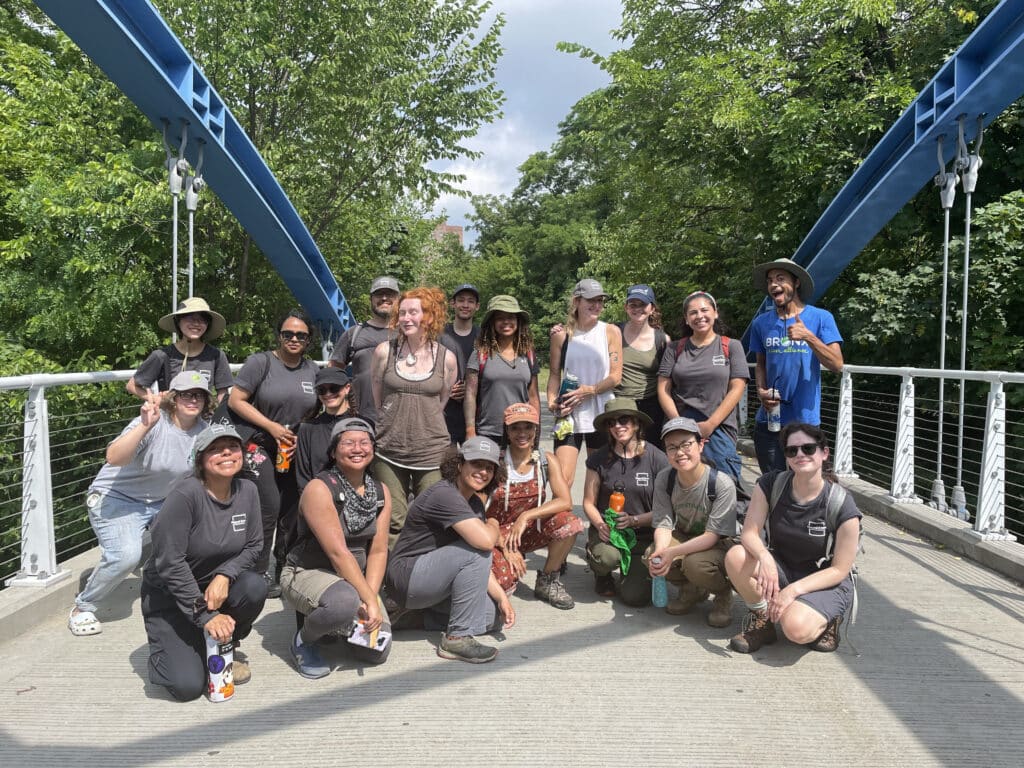
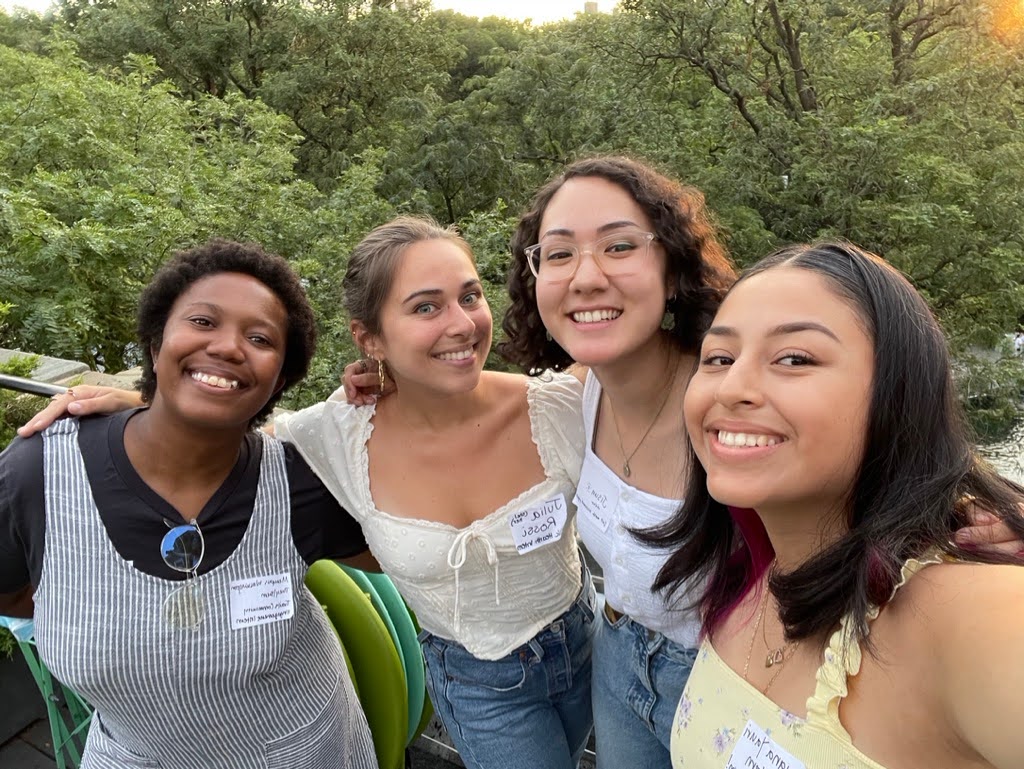
Since 2016, the Natural Areas Conservancy has offered a paid internship program to over 130 students of the City University of New York (CUNY). Our goal is to support New York City’s next generation of environmental leaders to promote diverse and resilient ecosystems citywide.
Urban NEST summer internship
A summer immersed in urban ecology
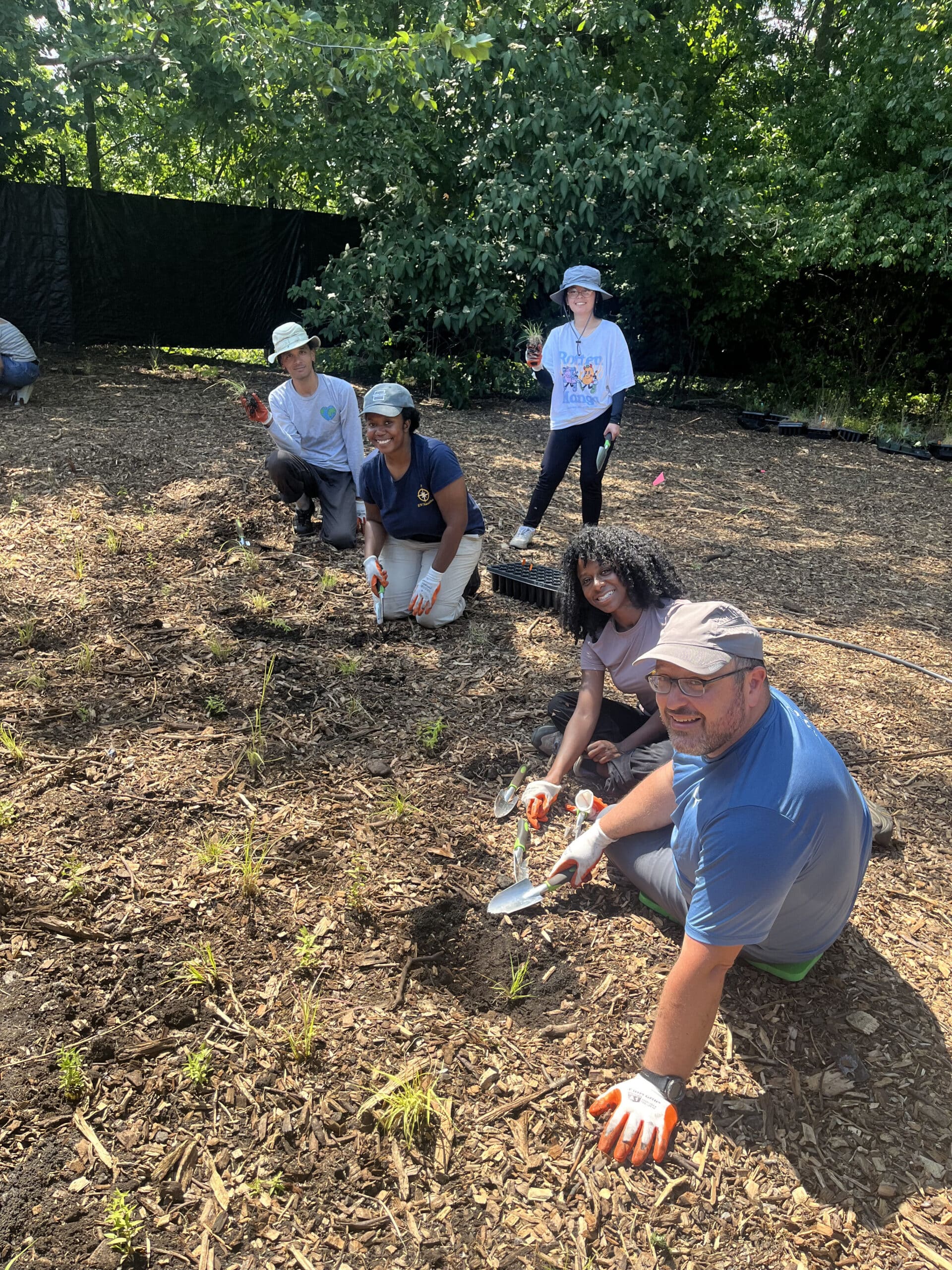
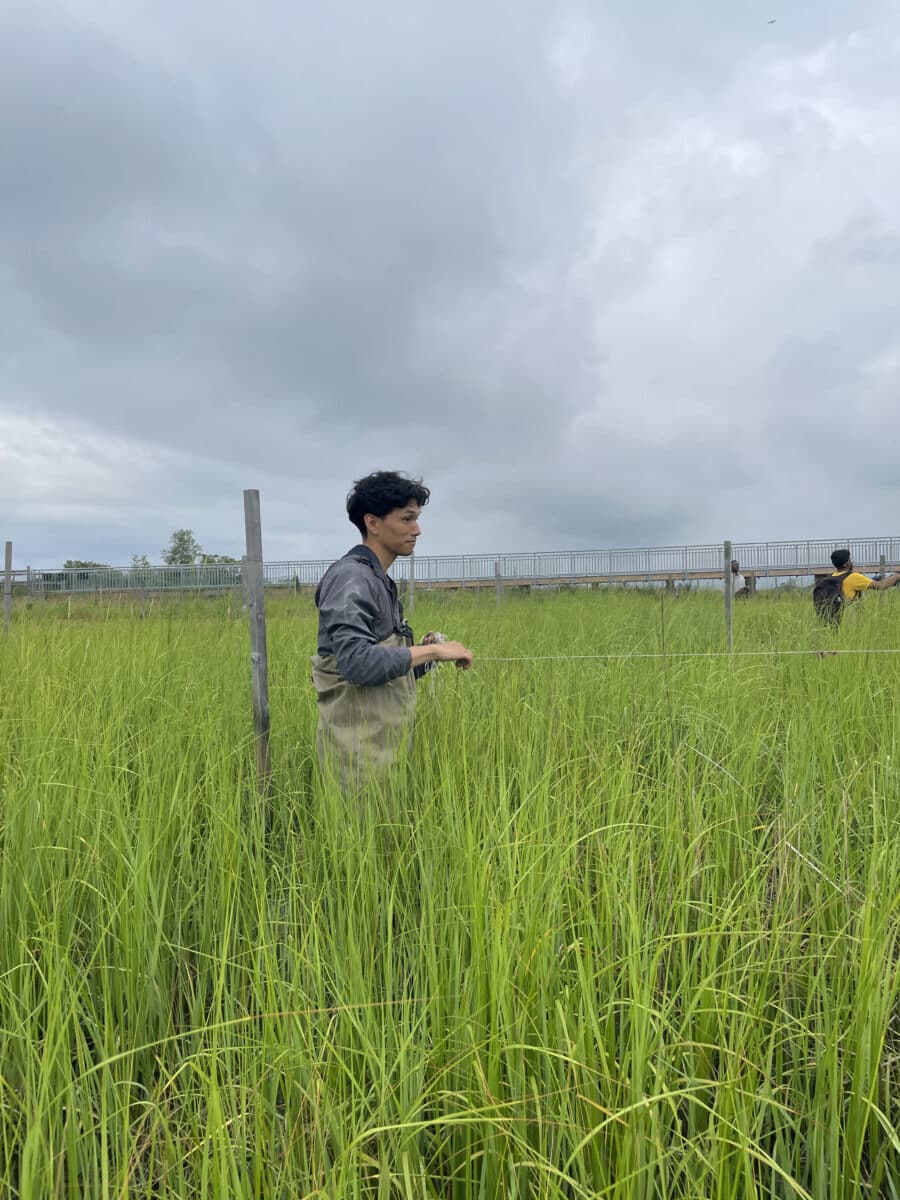
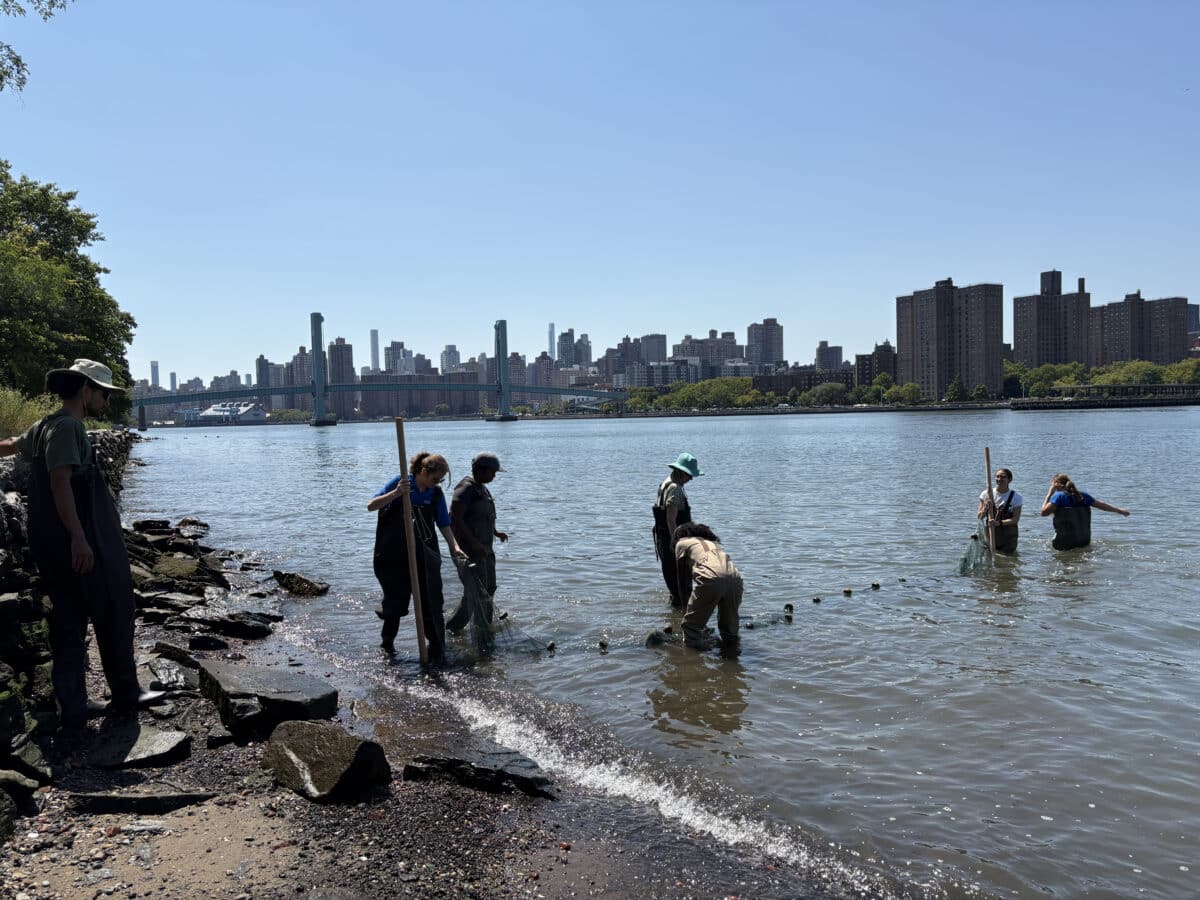
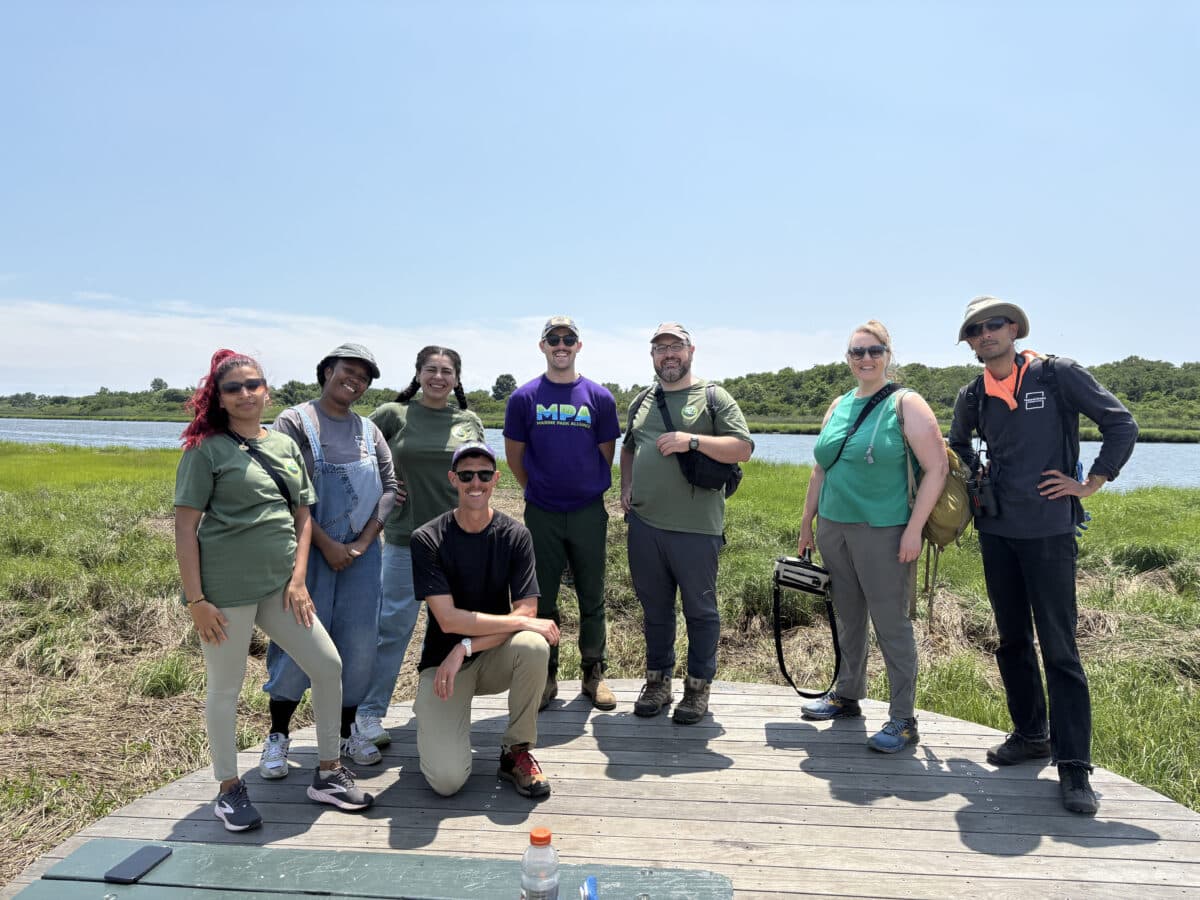
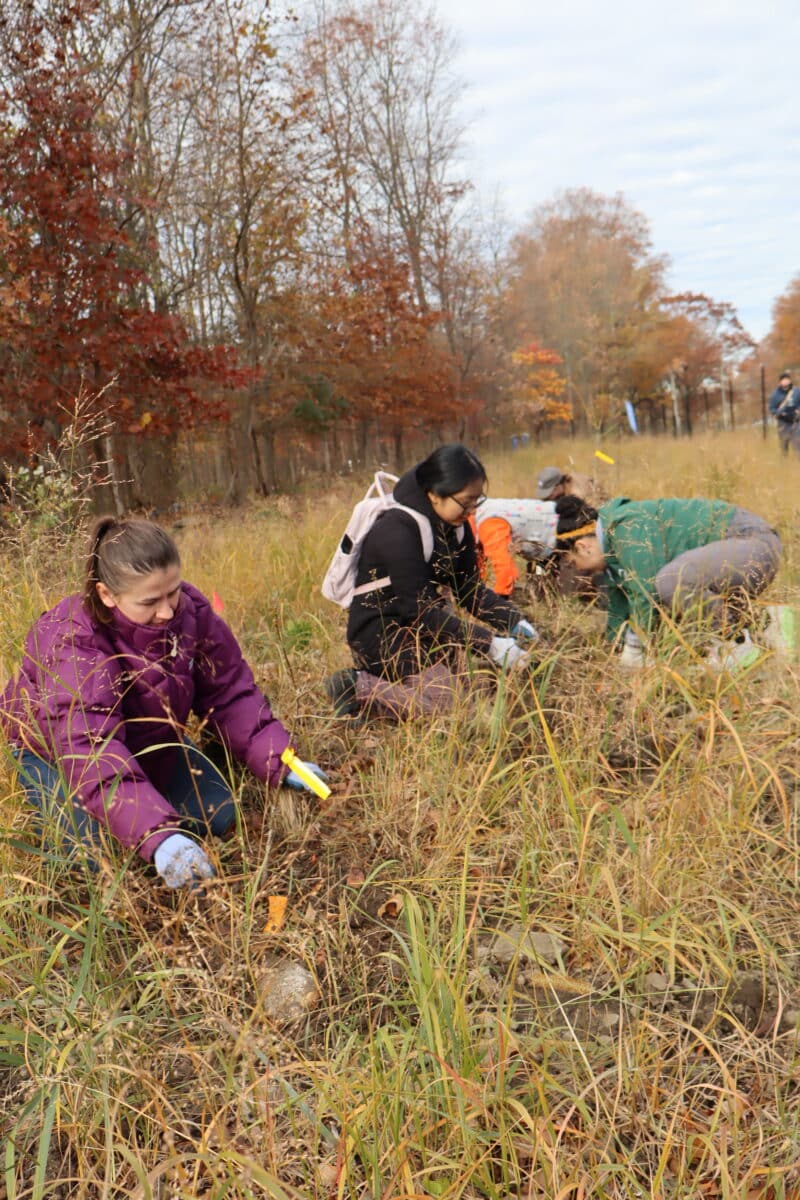
The Urban Nature, Ecology, and Stewardship Training (Urban NEST) summer internship program provides local college students and recent graduates (two years’ post graduation) the unique opportunity to receive training in research, conservation, and natural areas management in NYC. Over the course of eight weeks, interns will actively apply that knowledge with field-based activities, such as ecological surveying, restoration, trail improvement projects, or other NAC programming.

What can interns expect?
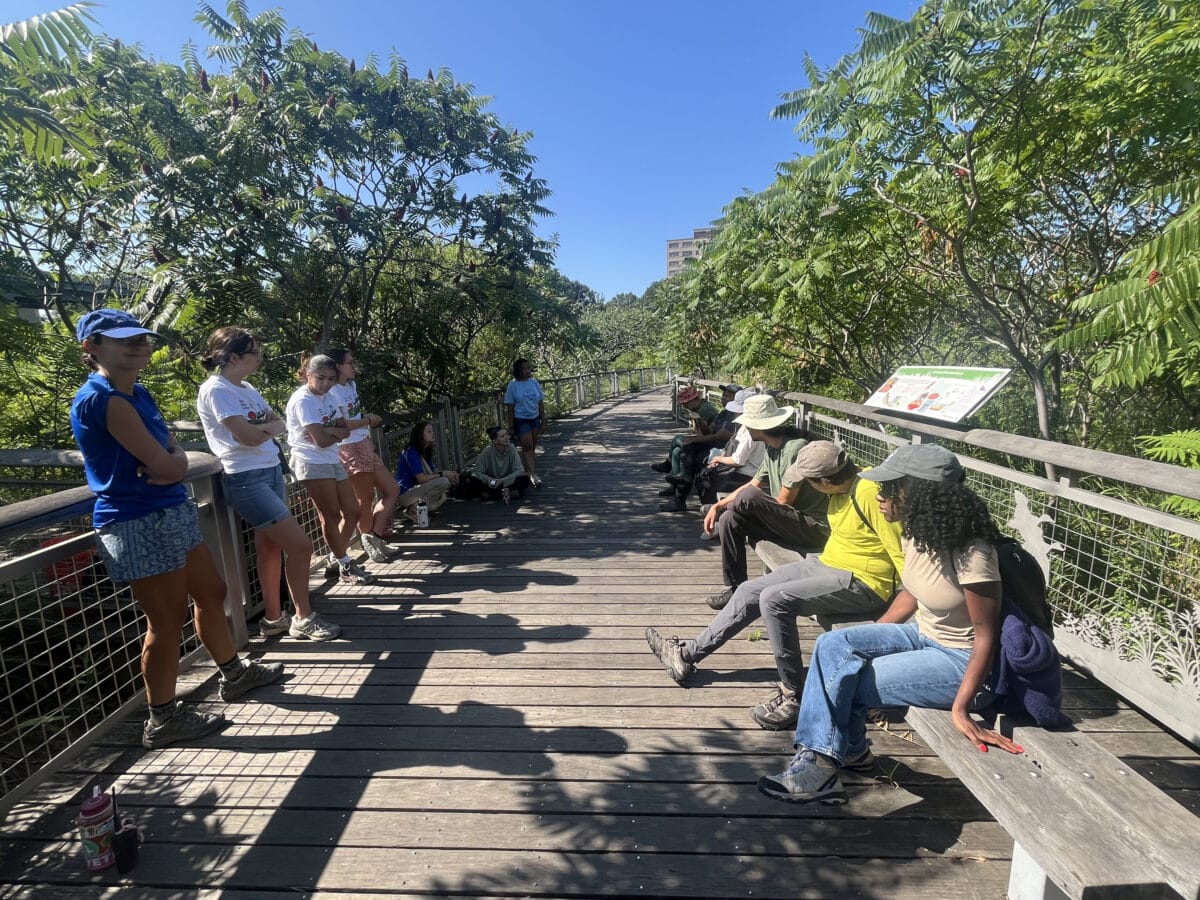
- Receive technical training in plant identification, field ecology, restoration techniques, and data collection protocols
- Participate in professional development training centered around “get the job” skills like cover letter and resume writing, salary negotiating, and interviewing best practices
- Navigate urban natural areas citywide through assigned project work, group stewardship days and alumni events
- Network with a cohort of peers as well as build relationships with professionals from organizations like the NAC, the NYC Department of Parks & Recreation, local park conservancies, and city environmental organizations
- Gain valuable environmental field work hours that offer the opportunity to experience various career pathways
- Gain membership to the vast NAC Alumni Network
Who's eligible?
Current CUNY students (undergraduates, graduate, and students pursuing certifications) or recent graduates (within two years of graduation)
Students in any major or degree program within the CUNY system
Individuals with a passion for studying and interest in improving local ecosystems as demonstrated through coursework, volunteering, and past experiences with a goal of seeking employment post program
People committed to working collaboratively, sharing knowledge, and actively participating in the program
Those who can think critically at different scales and who have excellent organizational, analytical, and written communication
Participants who can maintain a positive, collaborative attitude during hot (and probably buggy) days in NYC’s forests, wetlands, trails
Internship timeline
Mid March to early AprilApplications are reviewed and interviews take place.
Early April Offers to final applicants are extended.
Late JuneInternship begins full-time 35 hrs/week for eight weeks.
Mid AugustInternship concludes.
Stay connected
Sign up to our mailing list to get reminders on application deadlines and information sessions.
Sign Up(this link opens in new window)