Field Notes: Q&A with SUN High School Intern Juliette McMahon
By Natural Areas Conservancy on August 13, 2026
By Natural Areas Conservancy on August 13, 2026
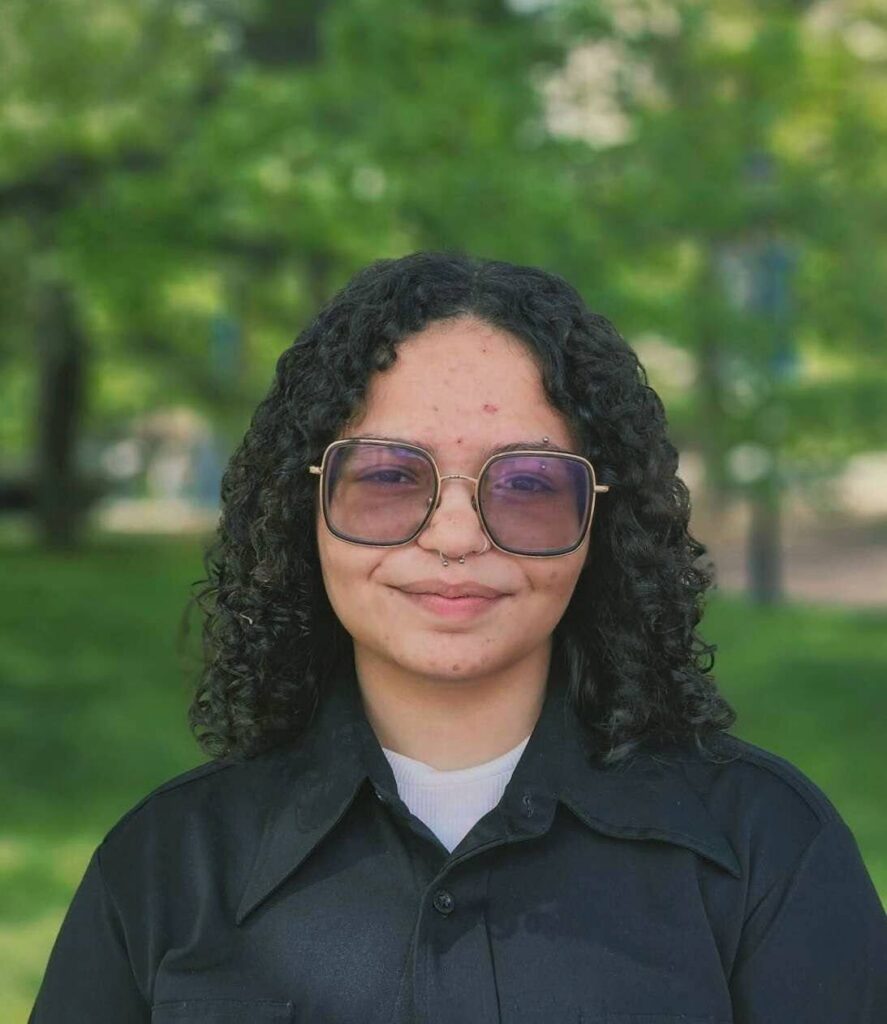
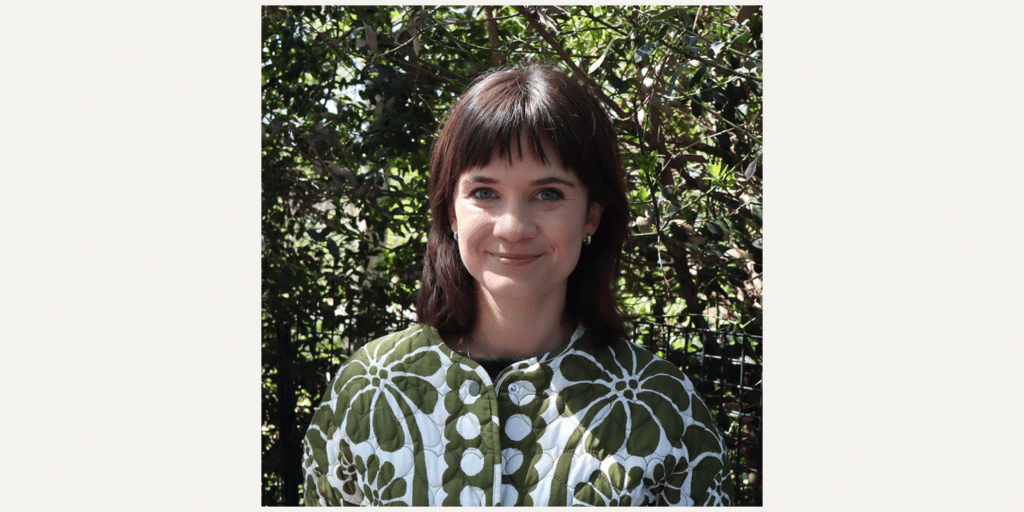
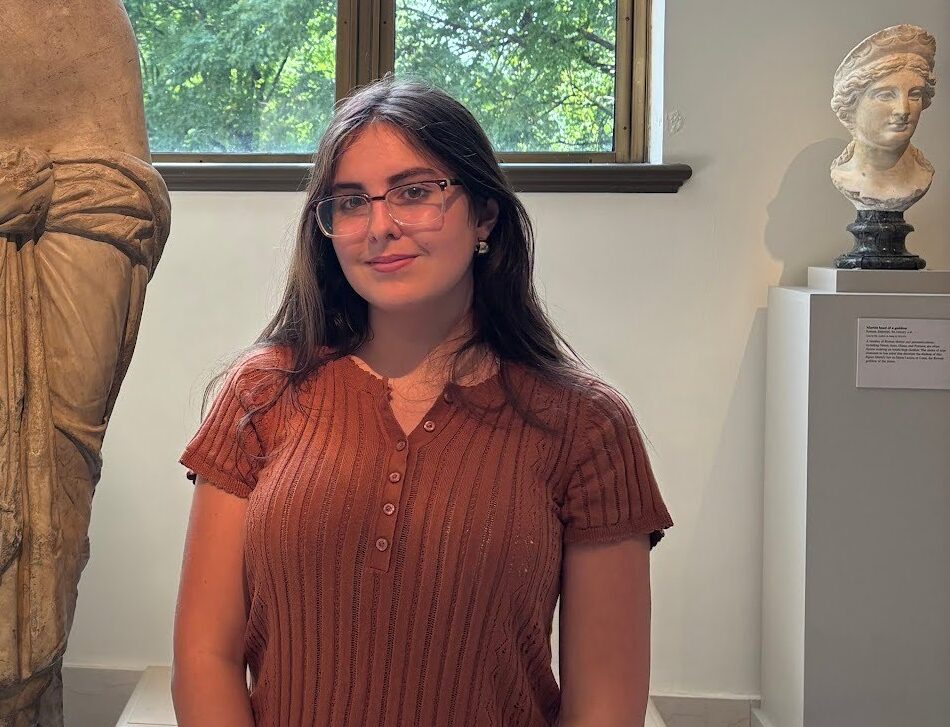
Juliette McMahon is one of NAC’s summer 2026 SUN high school interns and a student at Brooklyn Technical High School. Her project consists of researching, alongside her team member, how changes in soil quality along desire lines in Forest Park allow for invasive species to outcompete native species.
Read below to get to know more about Juliette and what she’s been up to at the NAC!
JM: I heard about this position from one of my teachers and I was motivated to apply because I was very excited about the opportunity to conduct original research while having access to a mentor and supplies.
Being able to use the Natural Areas Conservancy’s tools has made science a lot more accessible, especially because the equipment I get to use here I never would’ve been able to access at home. I was motivated to pursue this program because it removed a lot of barriers to conducting research including space and resources.
JM: My project is about soil health along a desire line and how changes in soil conditions and compaction influence the survival of native species. My partner and I are working along a 16 meter desire line in the birding area of Forest Park. Using quadrat sampling, we made a record of what species were living along the edge of the line. We also took measurements of soil pressure and compaction using a pocket penetrometer and measurements of pH, nitrogen, phosphorus and potassium concentrations. I was drawn to this project just by making observations. On the first day out in the field I noticed the desire line cutting across the study area and when I walked along it I saw that over time there was a change in the species that I saw. Towards the beginning of the desire line, where the path was less pronounced, I saw lots of native Eastern Poison Ivy. But further down, I saw more invasive bushes and growth. From then on I just wanted to know why along the same path the native species that were able to thrive at the beginning of the path were being overtaken by invasive growth.
JM: During my time with the NAC I’ve learned how to be self sufficient and how to take initiative. Although you have mentors like Nick and Leanna, at the end of the day no one is going to pick your project for you. You need to be able to go into the field with a game plan in mind for that day and figure out how to manage your time so you get everything done.
JM: My favorite natural area in NYC is Marine Park. It is the closest park to my house and I have a lot of great memories there of hanging out with my friends and playing softball as a kid.
JM: I would say the easiest way to get into conservation is to sign up for stewardship days. As a volunteer, you can work with some great people from the parks department to help manage invasive species. Although it can be tiring, it feels very rewarding to look at the ground and see how clear it is after you remove invasive plants. Especially for younger New Yorkers, volunteering is a great way to get your community service hours while getting to work outside with friends or family.
What’s your next step after this internship?
JM: After this internship I will begin my junior year and I’m looking forward to taking the research and public speaking experience I gained from working with the NAC to look for opportunities more aligned with my passions. I have a passion for neuroscience and pharmacology research and I hope that the skills that I learned here can help me find internships and programs centered around biomedical research in the future.
JM: The experience that first made me interested in natural areas and environmental research and conservation was when I did a program at Kingsborough Community College the summer before eighth grade. We did a lot of aquatic ecology and water quality testing.
It was the first time I had ever really experienced hands-on science and it made me curious about our waterways and the state of their health.
JM: I think that New Yorkers should be more aware of where they are stepping whenever they are in the parks. I would say that they should definitely try to stay on the official trails to avoid contributing to the formation of new desire lines. Desire lines are a serious problem affecting the native biodiversity of the parks. So if you like seeing healthy populations of native species, try to stick to the trails to avoid disrupting native communities and giving invasive species an opportunity to take hold.
JM: I would be interested in doing more research around eutrophication in the estuaries of NYC and understanding why runoff is such a common problem and how we can correct it to improve the health of key economic and ecological waterways like the East River.
JM: I hope that everyone learns to appreciate their natural areas, especially city dwellers across the country. Urban natural areas can help foster healthier communities by lowering the surrounding temperatures and combating the urban heat island effect, as well as offering places for runoff to be absorbed instead of allowing runoff containing sewage to get into our waterways. Everyone should take a more active role in protecting these areas, which do so much for us.
Learn more about NAC’s workforce programs.
New here? Subscribe to our newsletter for updates on internships, events, and the NAC’s research.
The SUN high school internship program is made possible through the generous support of the Leon Levy Foundation and the Pinkerton Foundation.