Field Notes: Q&A with Urban NEST Fellow Helen Neundorff
By Natural Areas Conservancy on August 27, 2026
By Natural Areas Conservancy on August 27, 2026
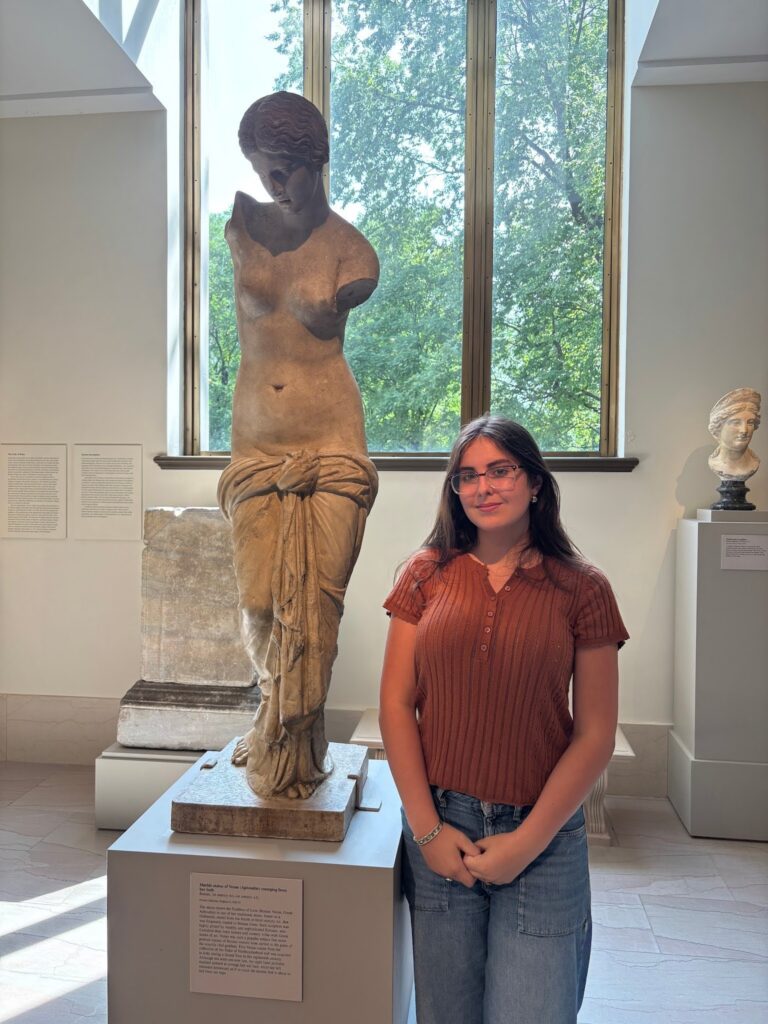
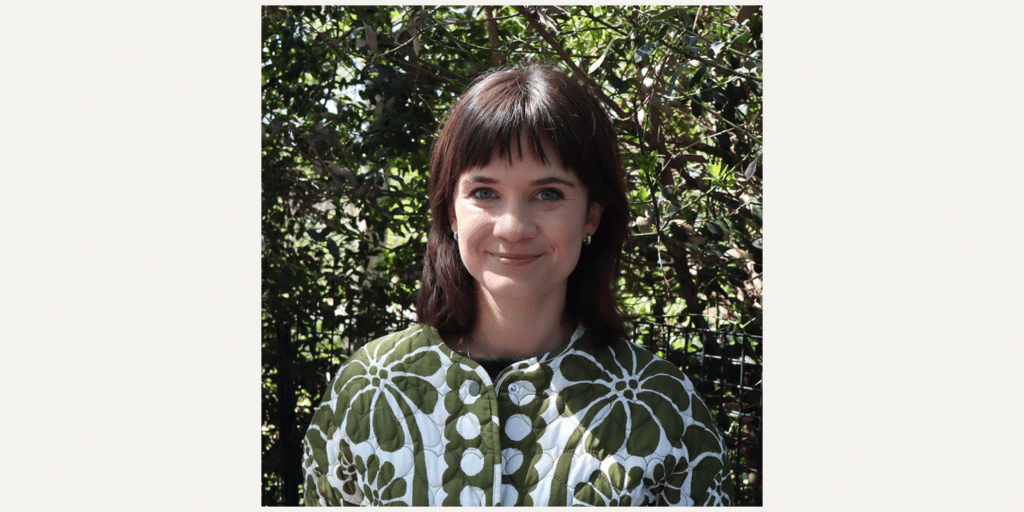
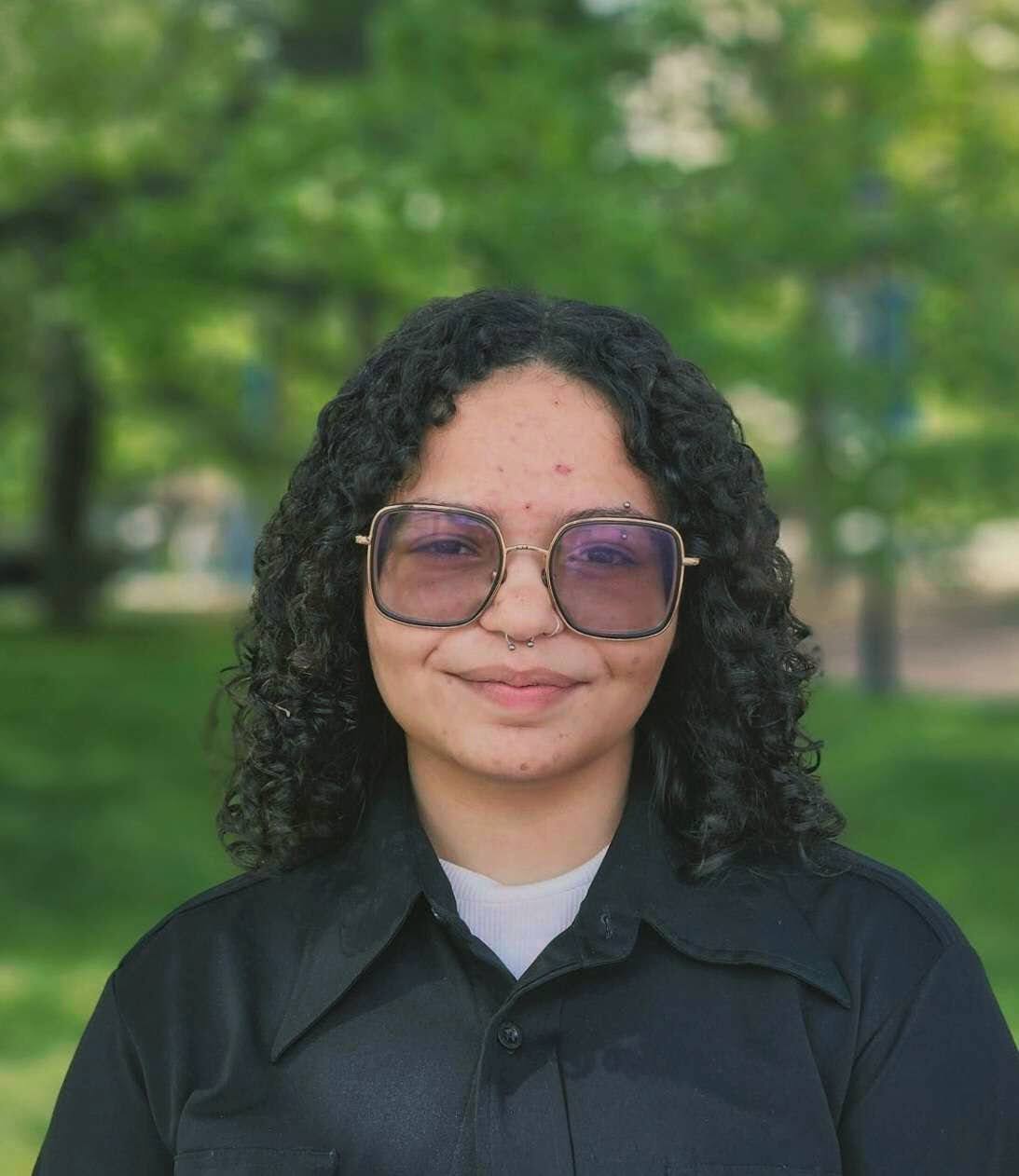
Helen Neundorff is an Urban NEST year-long fellow and a senior at Lehman College, graduating in Fall 2026. Her research project focuses on trail difficulty assessment design and implementation, which consists of assigning a standard difficulty score and descriptors for every NYC Parks-managed trail.
Read below to get to know more about Helen and what she’s been up to at the NAC!
HN: NAC’s Urban-NEST fellowship sets up students for success. The prospect of an early-career introductory program alluded me; especially as someone that’s had very limited experience applying my GIS courses to a project, and overall limited experience in outdoors ES work.
HN: Absolutely! I was drawn to it since it was an applied use of GIS, with a public-facing impact. Part of my interest in spatial research and map making is because information accessibility is crucial. Especially working in projects where the public is your target audience, every decision has to meet certain standards. I hope this project brings the benefit of increasing access to nature.
HN: There’s a title for everything. So many professionals we talked to mostly stumbled on a niche after a collection of indirect experience.
HN: Pelham Bay Park! The Kazimiroff trails are very pretty.
HN: If these are New Yorkers interested in becoming professionals in conservation, I would say find your silver lining! Conservation is a broad field, and whatever you are doing now definitely has a place in conservation. If this is a younger New Yorker—consider what type of conservation work you’d like to do, and find a version of that here in NYC. We have forests, wetlands, marshes, freshwater, and more!
HN: Finishing school is the main one. It’s been a rocky road. Hopefully, I can also pick up another internship on my way out, and apply to a masters program after a break.
HN: My family is quite opposite to me. I have very limited access to even being outside for most of my childhood. My first real experiences with nature beyond the lawn grass of Pelham Bay came from school trips. The only AP class I took was Environmental Science. In it, I learned about environmental justice, and my path was set from there.
HN: I definitely am interested in contributing more work and public engagement to hazard and historical mapping. They have played a pivotal role in the increased investment of, for example, flood-prone neighborhoods. It also helps tell a complete story of specific hazards, like pollution being directed to, and particularly affecting black & brown, low-income neighborhoods. AKA, FloodNet, SRIJB, and Bronx River Alliance, would be my three.
Nature is far closer and far more engineered for safety than New Yorkers think. Nature beats the urban heat, absorbs our stormwater & pollution, and acts as free third spaces with events, and improves mental & physical health. There is a reason why nature invokes calmness. In a place so back-breaking like NYC, it is a lifeline we must protect.
Learn more about NAC’s workforce programs.
New here? Subscribe to our newsletter for updates on internships, events, and the NAC’s research.
The Urban NEST fellowship program is made possible through the generous support of the Leon Levy Foundation.