Alumni Spotlight: How a Former Intern Grew Their Career in Forestry
By Natural Areas Conservancy on March 16, 2026
By Natural Areas Conservancy on March 16, 2026
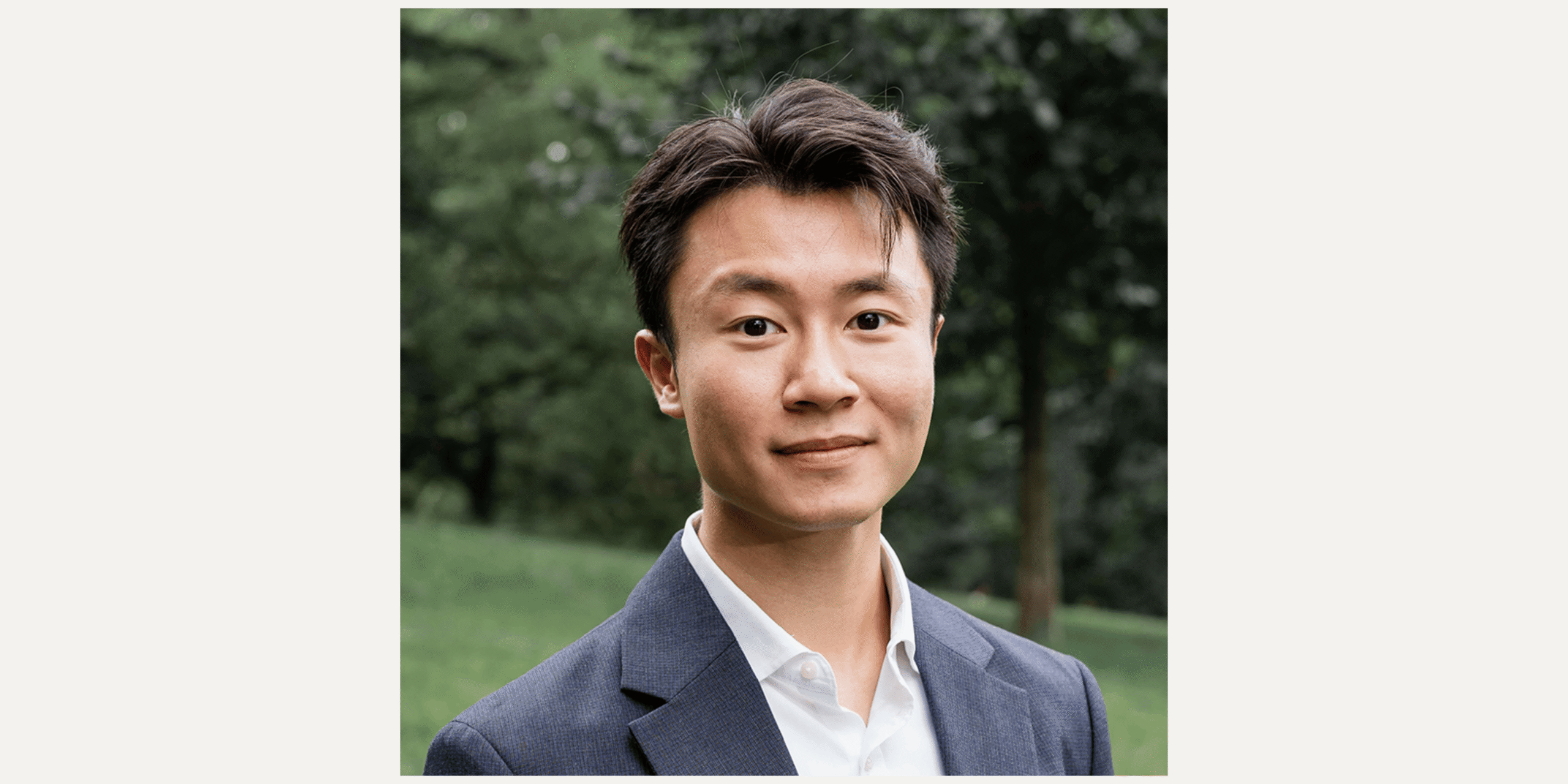
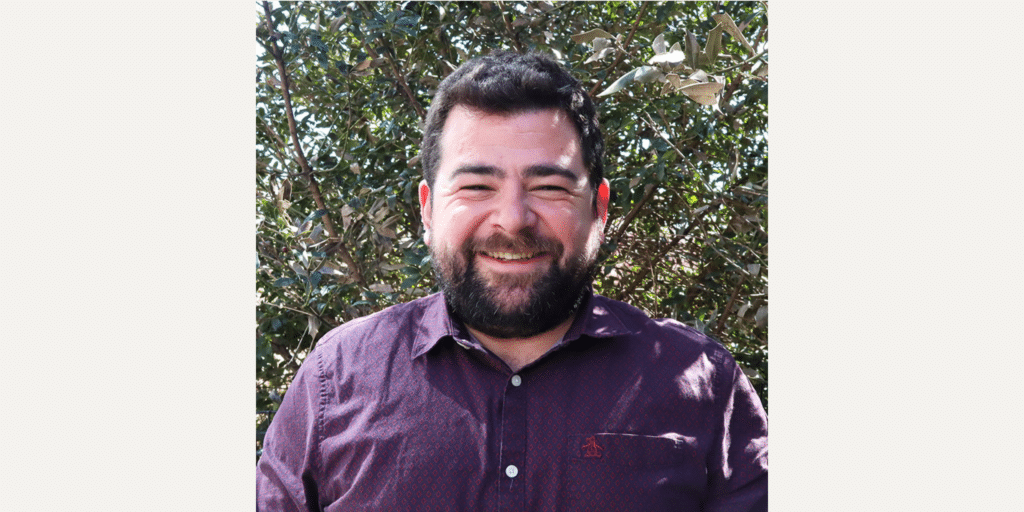
Brian Boston began his journey with the NAC as a CUNY Field Intern in 2021, building a strong foundation in fieldwork and urban ecology. He later returned in 2022 as an NYC Freshwater Wetland Verification Intern Crew Leader, stepping into a leadership role where he supported field teams and advanced critical wetland assessment work. Brian’s continued growth reflects the lasting impact of the program and how alumni leadership helps guide and inspire future cohorts. Today, he is a Forester with NYC Parks.
BB: Since ending my time with Natural Areas Conservancy in 2022 I have been lucky to take several positions around the city encompassing the breadth of the environmental field and beyond. In the past three years I’ve conducted invasive species research at the CUNY Advanced Science Research Center, helped run the photo lab at The City College of New York, was a field science assistant at Hudson River Park, and spent the better part of a year as an Environmental Educator with New York State Parks. This past summer I made the switch from NYS Parks to NYC Parks to begin my current position as a Forester.
BB: Much of my childhood was spent in and around parks/natural areas. Growing up just blocks away from the landfill on Staten Island gave me an early interest in ecology and human interactions with the environment. Tree-adjacent work is where I really got my foot in the door several years ago and it has certainly been refreshing to return to the trees full time.
BB: Staten Island Forestry is a small team taking care of the entire borough’s street and park trees, so any and all work can fluctuate based on the weather, season, contractors, and needs of the public. Sometimes I spend an entire day running around the Island just responding to 311 requests; on most days I’m bouncing between managing contracts, coordinating with other city agencies, and doing priority inspections.
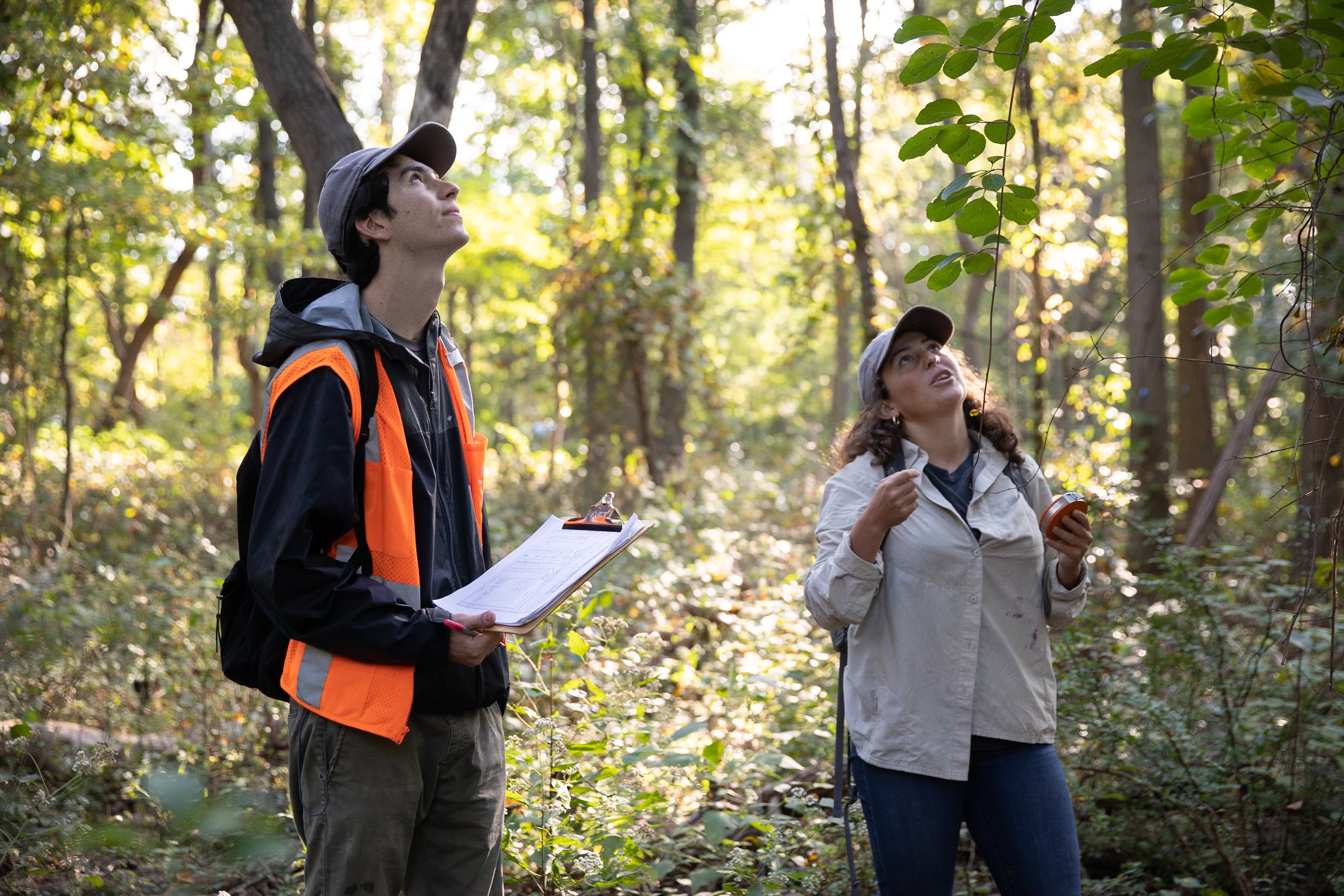
BB: My first term with NAC was a crash course in botany and plant identification which are skills I rely on every day. Learning rapid site assessment and other protocols with NAC changed the way I look at the natural world and has in a sense given me a fresh set of eyes to work with.
NAC was a foot in the door and a great way to meet people doing parks-adjacent work all over the boroughs. Everything I learned on the job was much more tangible than what I was getting through a college education that was mostly run online at the time.
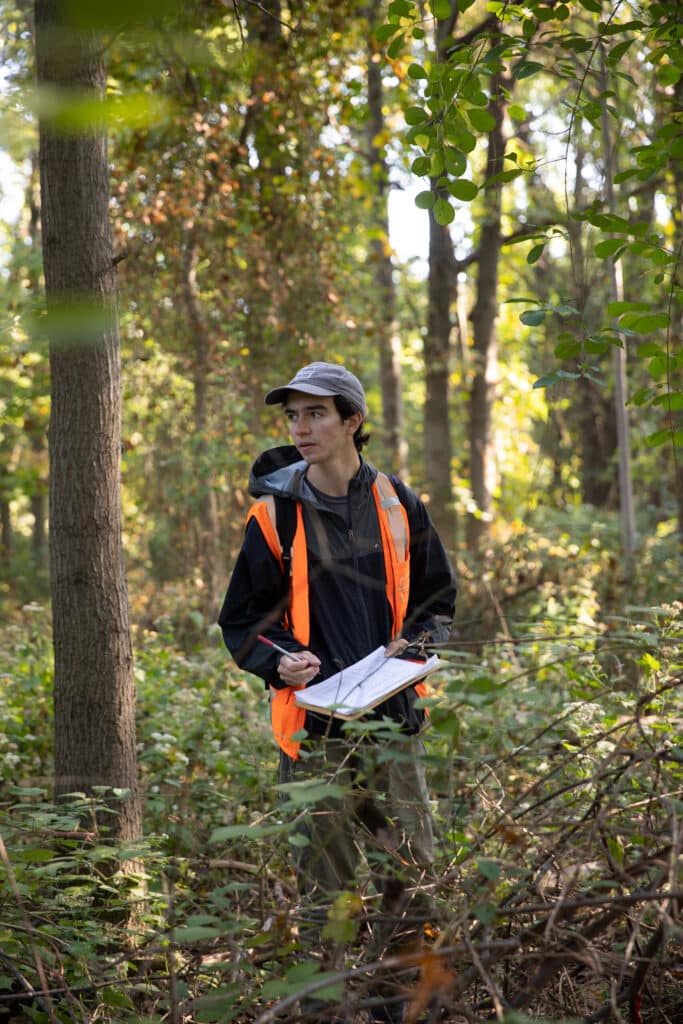
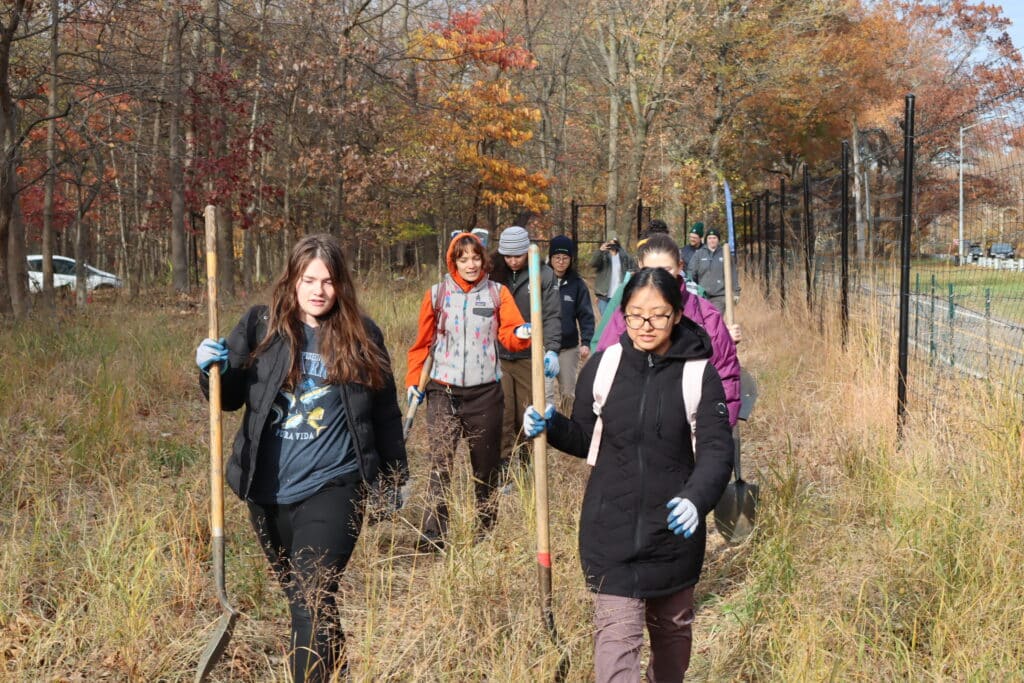
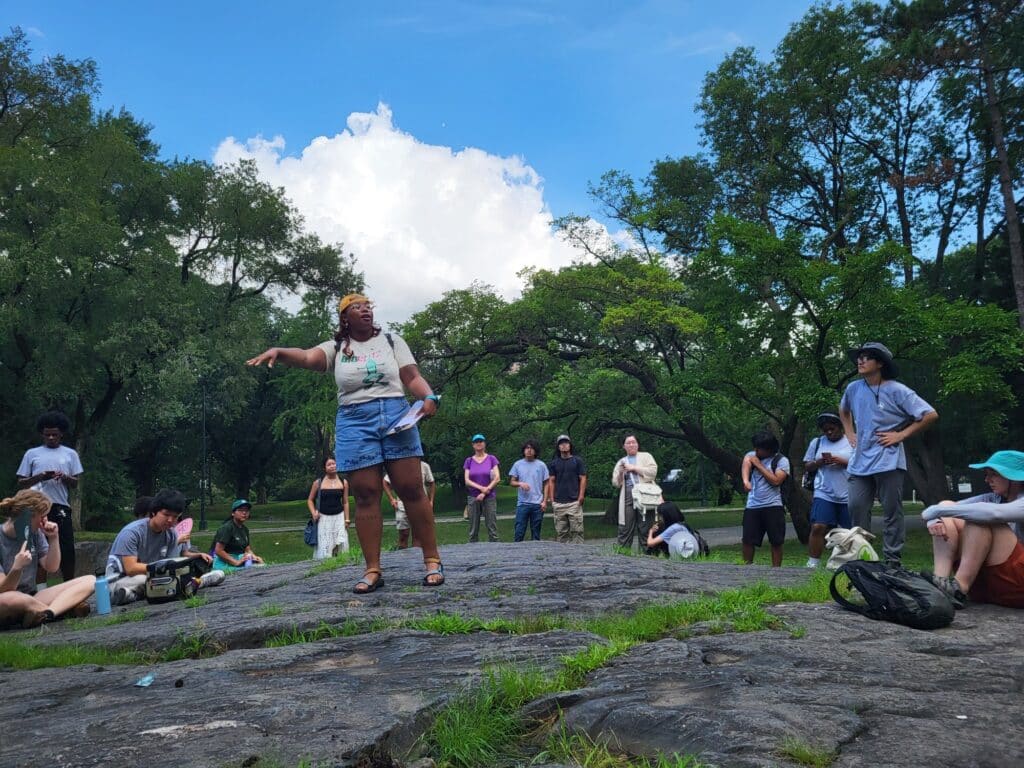
BB: Following a very quick eight weeks of rapid site assessment, all of that season’s crews got together at the Fort Totten Field Station to pore over plant pressings and identify samples that had confounded us throughout the summer. For most of us, this was the first time we had seen each other after weeks of working in small teams. I couldn’t think of a better way to capitulate the season than swapping experiences over hundreds of pressings and pages of data.
BB: Ask questions and talk to people in the brief moments we get to spend together, go to events in other boroughs and places you’ve never been, take the time to get out there and explore. There are only so many people working in this field around the city and most everyone is willing to help one another out.
Learn more about the Urban NEST summer internship.