Field Notes: Q&A with Urban NEST Intern Nigah Raja
By Natural Areas Conservancy on August 27, 2026
By Natural Areas Conservancy on August 27, 2026
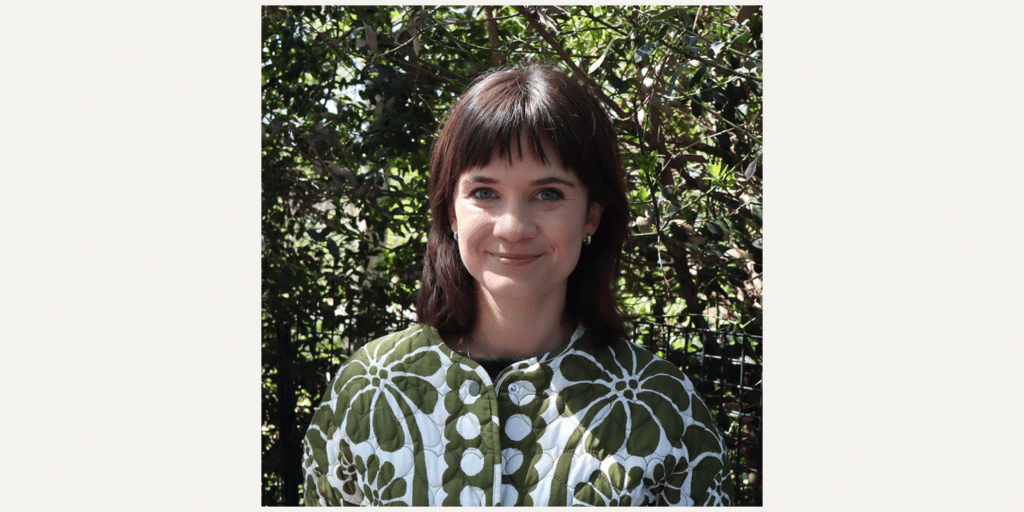
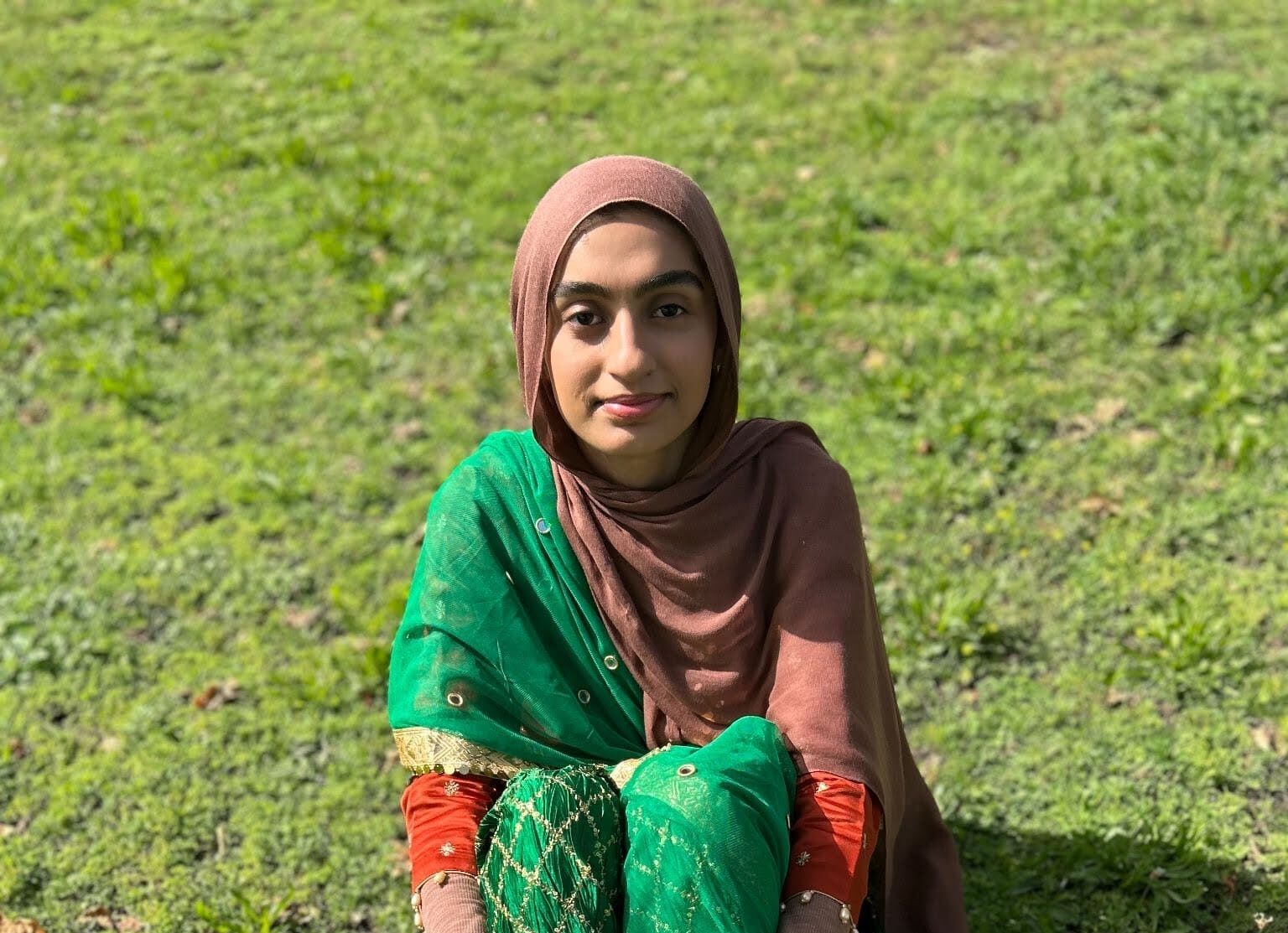
Nigah Raja is a Summer 2026 CUNY intern working on the Natural and Nature-Based Features (NNBF) data analysis project. She recently graduated in May 2026 from The City College of New York with a degree in Earth and Atmospheric Sciences.
Read below to get to know more about Nigah and what she’s been up to at the NAC!
NR: What drew me to the NAC was its belief that nature conservation isn’t just about protecting ecosystems, it’s also about creating places where people feel connected to nature. I wanted to be part of an organization that combines science, stewardship, and community engagement to make New York City’s green and blue spaces healthier and more accessible.
NR: I’m working on a project that analyzes monitoring data from natural and nature-based shoreline sites along the Harlem and Bronx Rivers. What drew me to it was the chance to utilize the data analysis skills that I learned in my coursework and apply them to environmental restoration projects occurring in the real world. I’m excited to be working on a project that supports both ecological health and the surrounding communities.
NR: The most valuable lesson I’ve learned so far during my time with the NAC is that strong collaboration is key for successful conservation. A shoreline restoration project requires listening to community members, collaborating with different organizations, and understanding the goals of the people who care for these spaces. It’s amazing to see different teams come together to tackle environmental issues that matter to us all.
NR: One of my favorite NYC natural areas to visit is Canarsie Park. I enjoy hiking by the wetlands, bird watching, and just taking it slow. Canarsie Park strikes a beautiful balance between being a vibrant community space and a peaceful natural escape.
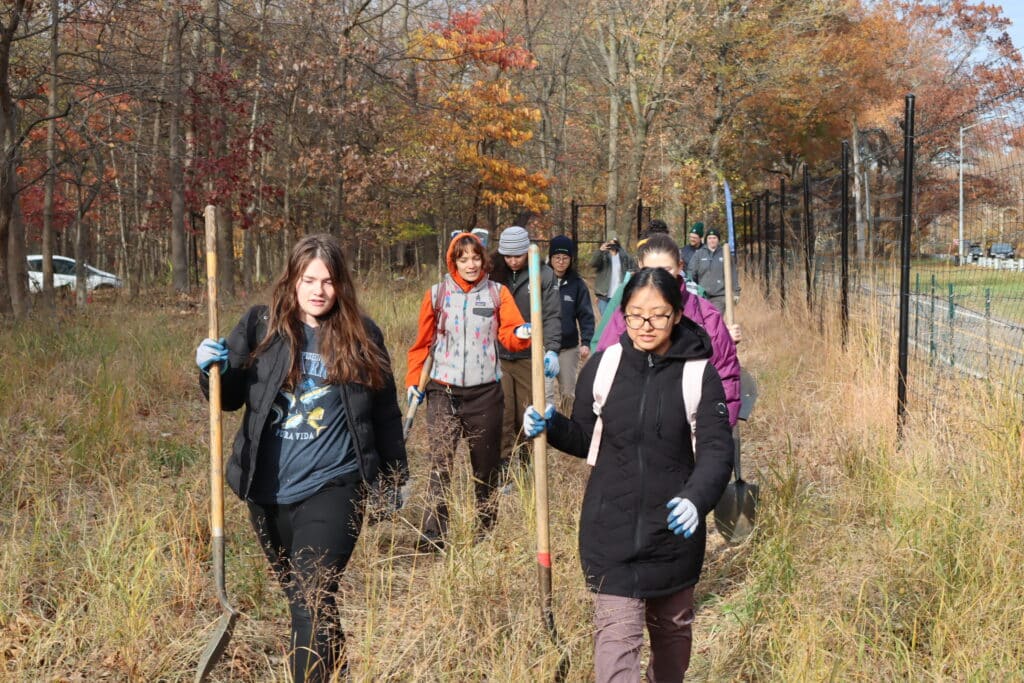
NR: For New Yorkers who want to get more involved in conservation efforts, I would advise them to visit their nearest park and get to know the space. Be curious about what you observe and join volunteering events where you can put your ideas into action. The more connected you feel to these spaces, the more you’ll want to help care for them.
NR: I recently graduated with a degree in Earth and Atmospheric Sciences, so I’m excited to continue building a career in environmental science. I’m hoping to work in a role that combines laboratory research, data analysis, and conservation.
I look forward to continue working with green and blue spaces and making them more accessible in an urban environment through education and outreach.
NR: What first motivated me to work in nature conservation was my own experience growing up around New York City’s parks. They gave me a place to celebrate family gatherings, ride my bike, spend time with friends, and have quiet moments to think. Having access to those spaces, and feeling safe and welcome enough to actually use them, shaped how I see the importance of urban nature. That inspired me to help protect and restore these spaces so that future generations can enjoy and benefit from them as much as we do.
NR: Urban natural areas provide several benefits, such as habitat for wildlife, improved water quality, reduced flooding, and increased neighborhood resilience to climate change. When visiting these spaces, be considerate and respectful of wildlife, stay on designated trails, and leave no trace of litter behind.
NR: I’m fascinated by both the history of our planet and the ecosystems we have today. In the future, I’d love to contribute to work that helps protect biodiversity while continuing to learn more about Earth’s history, because I think understanding where ecosystems came from can help us make better decisions about how to protect them going forward.
NR: I hope people begin to see nature as something we interact with every day, not just when we visit a national park or go on vacation. Nature doesn’t have to be somewhere far away to be meaningful. Sometimes all it takes is sitting by the water, walking through a park after a long day, or noticing the wildlife in your own neighborhood to build a stronger connection with the world around you.
Learn more about NAC’s workforce programs.
New here? Subscribe to our newsletter for updates on internships, events, and the NAC’s research.
The Urban NEST internship program is made possible through the generous support of the Leon Levy Foundation.